
Stem Wall Foundation: What You Need to Know
Understanding Stem Wall Foundation Details
When builders construct a new home or commercial structure, the foundation determines how well that building performs over time. One common option in residential construction is the stem wall foundation. Understanding the key stem wall foundation details helps homeowners and builders plan projects with confidence.
A well-built foundation supports the entire structure while protecting it from soil movement, moisture intrusion, and uneven settling. Stem wall systems provide both strength and flexibility, which makes them a reliable choice for many building sites. Across Oklahoma, contractors frequently choose this type of foundation because it performs well in different soil conditions and supports a wide range of structures.
Learning how these foundations work—and the components involved—helps property owners understand why builders use them so often in residential construction.
What Is a Stem Wall Foundation?
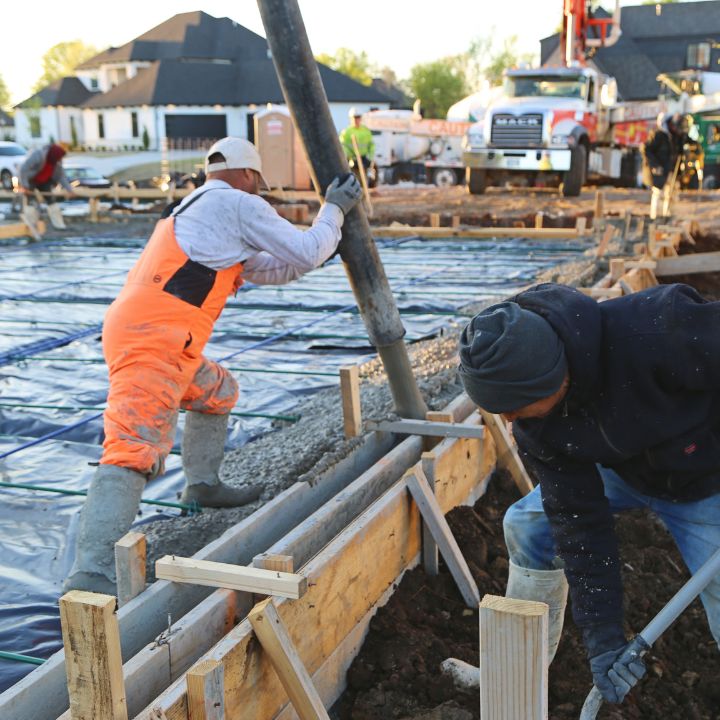
A stem wall foundation uses a concrete footing and a vertical wall to support the structure above. Builders pour the footing below ground level so it can distribute the building’s weight evenly across the soil. The stem wall then extends upward from the footing and forms the base that supports the structure.
This design often raises the structure slightly above ground level, which can create space for a crawl space or support a concrete slab floor. One of the most important stem wall foundation details involves how the vertical wall connects the footing to the rest of the structure.
This connection creates a stable platform that supports the building and helps prevent structural movement. The American Concrete Institute notes that properly designed concrete foundations play a major role in maintaining long-term structural performance and resisting soil pressure.
Key Elements of a Stem Wall Foundation
Builders rely on several important components when constructing a stem wall foundation. Each element works together to create a stable and durable base.
Footings
The footing forms the base of the foundation. Contractors pour it directly onto compacted soil to support the weight of the structure.
Footings are wider than the walls they support, which allows them to spread the building’s load across a larger area. Reinforcement with steel rebar strengthens the concrete and helps reduce the risk of cracking or structural shifting.
Stem Walls
Stem walls sit on top of the footings and extend above ground level to form the perimeter of the structure. These reinforced concrete walls support the framing of the building.
Contractors typically install vertical and horizontal rebar within the wall to increase strength and stability. The combination of reinforced footings and walls forms the structural base of the building.
Vapor Barriers and Moisture Protection
Builders must manage moisture carefully during foundation construction. Many projects include a vapor barrier installed over the soil before the slab or floor system goes in place.
This barrier helps prevent moisture from rising through the soil and entering the building. Moisture protection remains one of the most important stem wall foundation details, because it protects the structure from mold, water damage, and long-term deterioration.
According to the American Cement Association, proper curing and moisture control significantly improve the durability and performance of concrete structures.
Backfill and Soil Support
After contractors build the stem walls, they fill the interior space with compacted soil or gravel. This backfill adds support and creates a stable base for the floor system.
Proper soil compaction plays a critical role in foundation performance. If contractors skip this step or perform it poorly, the structure may experience uneven settling over time.
Floor Systems or Concrete Slabs
Stem wall foundations support several types of floor systems. Some homes use a concrete slab poured within the walls, while others include crawl spaces or raised wood flooring.
This flexibility allows builders to adapt the foundation design to match the needs of the structure and the conditions of the site.
Advantages of Stem Wall Foundations
Stem wall foundations offer several benefits that make them a strong option for many construction projects.
Strong Structural Support
The reinforced footing and vertical wall system creates a durable base capable of supporting significant structural loads. By distributing weight evenly across the soil, the foundation helps prevent settling and movement over time.
Adaptability to Uneven Terrain
Stem wall foundations perform well on properties with sloped or uneven terrain. Contractors can adjust wall heights to accommodate grade changes while still maintaining a level base for the structure.
Protection from Moisture
Because the structure sits slightly above ground level, stem wall systems help reduce the risk of water intrusion. This elevation helps protect the home from moisture-related issues that can damage foundations over time.
Access to Utilities
Many stem wall foundations include crawl spaces beneath the home. These spaces allow easier access to plumbing, electrical systems, and HVAC components for maintenance or future upgrades.
The National Ready Mixed Concrete Association emphasizes that proper site preparation and foundation design are key factors in ensuring long-lasting concrete construction.
Why Professional Foundation Construction Matters
A foundation is one of the most important structural elements of any building. Proper planning, reinforcement, and installation help ensure the structure remains stable for decades.
Understanding essential stem wall foundation details helps homeowners recognize the importance of working with experienced concrete professionals. Skilled contractors carefully evaluate soil conditions, reinforcement requirements, and structural loads before beginning construction.
For homeowners and builders throughout the Oklahoma City metro area, working with experienced concrete professionals helps ensure foundations are built correctly from the ground up.
Building a Strong Foundation for the Future
Every successful building project begins with a strong foundation. Stem wall systems provide durability, flexibility, and reliable structural support for a wide range of construction needs.
By understanding the most important stem wall foundation details, homeowners can make informed decisions when planning their projects. Whether constructing a new home or evaluating foundation options, choosing the right system helps ensure the structure remains safe and stable for years to come. Get in touch with us today!